Bownjax: A Versatile Handwritten Brush Script for Modern Design Workflows
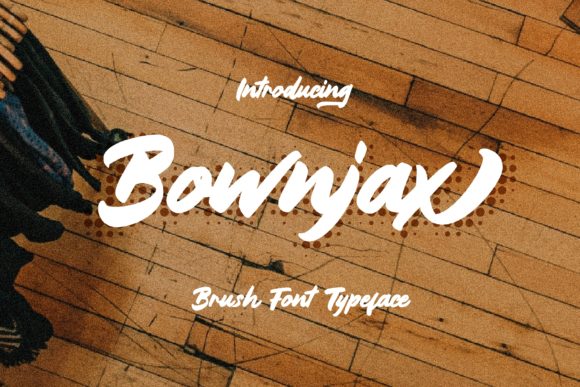
For designers, marketers, and creators looking to add a personal touch to their projects, Bownjax is a modern, handwritten brush script font that offers both versatility and uniqueness. This font is ideal for a wide range of applications, from headings and logos to branding materials and digital content. Its natural, flowing style makes it a standout choice for those who want to convey creativity and authenticity in their work.
Bownjax fits seamlessly into various design processes, whether you're working on a website, social media post, business card, or promotional material. Its PUA encoding ensures easy access to glyphs and swashes, making it a practical tool for anyone looking to enhance their visual communication without the hassle of complex software features.
Understanding Bownjax in the Design Process
Bownjax is more than just a font—it's a tool that can influence the entire creative workflow. From initial concept to final execution, this font can be used at different stages to add personality and clarity to your designs. Whether you're starting a new project or refining an existing one, Bownjax provides a consistent and professional look that aligns with modern aesthetics.
Before beginning a design task, consider how Bownjax can help define the tone and style of your work. For example, if you're creating a blog post or a marketing campaign, using Bownjax for headlines can draw attention and create a visual hierarchy that guides the reader through the content. It also works well in conjunction with other fonts, allowing you to maintain balance while adding a unique flair.
Integrating Bownjax into Your Workflow
One of the key advantages of Bownjax is its compatibility with various design platforms and tools. Whether you're using Adobe Creative Suite, Figma, Canva, or other design software, Bownjax can be easily integrated into your workflow. Its PUA encoding allows for straightforward access to special characters and stylistic alternates, which is especially useful when working on custom typography or intricate layouts.
To get the most out of Bownjax, start by experimenting with different sizes and weights to see how it performs in various contexts. For instance, using it for larger headings might require adjusting spacing and line height to ensure readability, while smaller text might benefit from tighter kerning and simpler forms. Understanding these nuances will help you apply the font more effectively across different projects.
Practical Use Cases for Bownjax
Bownjax is particularly useful in scenarios where a personal or artistic touch is needed. For example, in branding, this font can be used for logos, taglines, or product names to create a memorable and distinctive identity. In web design, it can be used for navigation menus, call-to-action buttons, or hero sections to add visual interest and improve user engagement.
When designing for print, such as business cards or invitations, Bownjax can bring a sense of elegance and individuality to the final product. Its brush-like strokes give it a handcrafted feel that stands out in a sea of generic fonts. Additionally, it's great for merchandise like t-shirts, mugs, or stickers, where a unique and eye-catching design is essential.
Workflow Examples with Bownjax
Consider a scenario where you're designing a social media campaign for a small business. You might use Bownjax for the main headline of a post, paired with a sans-serif font for body text. This combination creates contrast and keeps the design visually engaging without overwhelming the viewer. The font’s natural flow also helps to make the message feel more approachable and authentic.
Another example could be in a content creation workflow. If you're writing a blog post or article, using Bownjax for section headers can help break up the text and make the content more scannable. It also adds a personal touch that can resonate with your audience, making your brand feel more human and relatable.
Factors to Consider When Using Bownjax
When incorporating Bownjax into your design process, there are several factors to keep in mind. First, ensure that the font is properly licensed for your intended use, whether it's personal, commercial, or for a specific platform. Second, test the font in different environments to see how it renders on screens, in print, and across various devices.
Usability is another important aspect. While Bownjax is highly readable in most cases, certain variations may require adjustments to spacing or alignment to maintain clarity. Consistency is key—using the same font across multiple assets helps reinforce brand identity and ensures a cohesive visual experience for your audience.
Long-Term Use and Maintenance
Over time, maintaining a consistent look and feel across all design materials becomes increasingly important. Bownjax can be part of a long-term design strategy, provided it's used thoughtfully and in alignment with your overall brand guidelines. Regularly reviewing how the font performs in different contexts can help identify any issues early on and ensure that it continues to meet your needs.
Additionally, staying updated on any new versions or updates to the font can help you take advantage of improvements or additional features. Keeping your design tools and resources up to date also contributes to a smoother workflow and better results.
Conclusion: Bownjax as a Valuable Asset in Modern Design
Bownjax is more than just a font—it's a versatile tool that can enhance the visual appeal and effectiveness of your work. By understanding how it fits into your design process and integrating it thoughtfully, you can unlock new creative possibilities and elevate the quality of your projects. Whether you're working on a personal endeavor or a professional assignment, Bownjax offers a unique and practical solution that supports your goals and strengthens your output.