Standard Jeglek: A Handwritten Font for Elegant Design
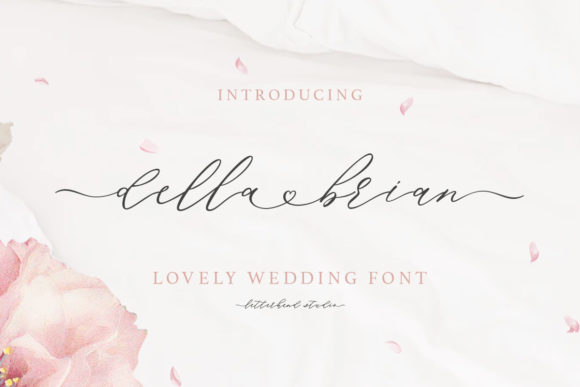
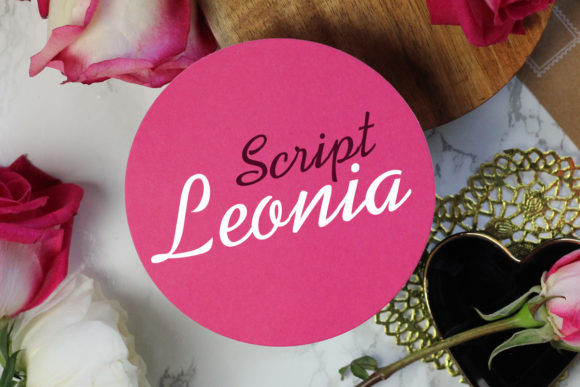
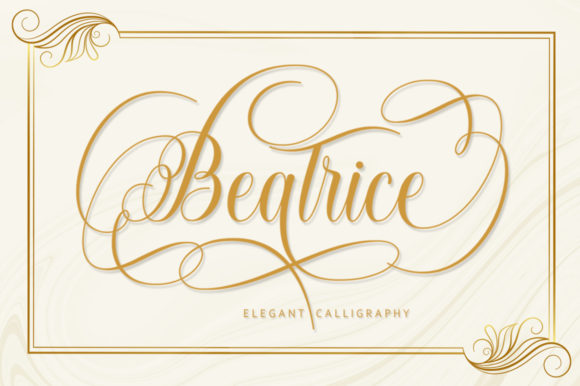
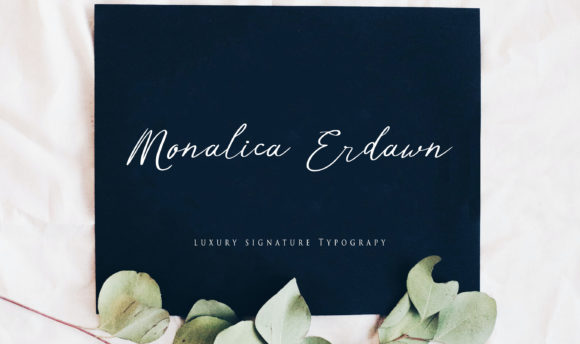
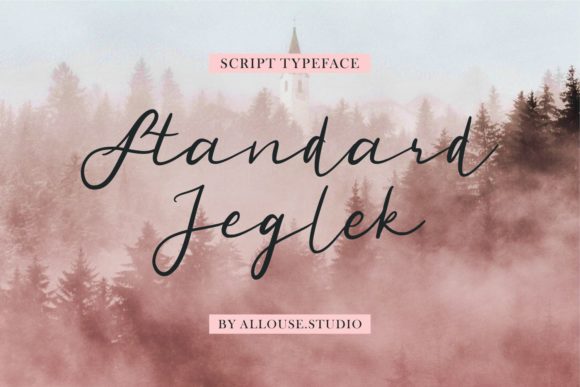
Standard Jeglek is a unique handwritten font that offers a stylish and relaxed flow, making it ideal for a variety of design projects. Its elegant appearance can enhance the visual appeal of wedding invitations, thank you cards, quotes, greeting cards, logos, and business cards. This font is particularly suited for designs that require a personal, handwritten touch.
One of the key features of Standard Jeglek is its PUA encoding, which allows users to access all glyphs and swashes with ease. This makes it a versatile option for designers who want to customize their work without the limitations often found in other fonts.
Why Consider Standard Jeglek?
For individuals or businesses looking to add a personal touch to their designs, Standard Jeglek provides an attractive alternative to more rigid typefaces. Its flowing script style gives a sense of warmth and authenticity, which can be especially valuable in creative or formal contexts.
Designers may find that Standard Jeglek works well in situations where a handwritten aesthetic is desired. Whether it's for a wedding invitation or a custom logo, this font can help convey a message with a more personal and artistic feel.
Benefits of Using Standard Jeglek
One of the main benefits of Standard Jeglek is its versatility. It can be used across different design formats, from digital to print, and it maintains a consistent level of quality regardless of the medium. The font's natural flow also makes it easy to read, even when used in larger sizes.
Another advantage is its ease of use. Because it is PUA encoded, users do not need special software or tools to access all the glyphs and swashes. This simplifies the design process and allows for greater flexibility in typography choices.
Considerations and Tradeoffs
While Standard Jeglek offers many benefits, it may not be the best choice for every project. In some cases, a more structured or modern font might be more appropriate, depending on the overall design aesthetic. Additionally, because it is a handwritten font, it may not be as legible in certain contexts, especially when used in small sizes or with complex layouts.
It's also important to consider the target audience. For example, if the design is intended for a professional setting, a more traditional font might be preferred. However, for creative or personal projects, Standard Jeglek can provide a distinctive and appealing look.
Situations Where Standard Jeglek Excels
Standard Jeglek is particularly well-suited for projects that emphasize creativity, personalization, or a handcrafted feel. Wedding invitations, for instance, often benefit from a font that conveys elegance and individuality. Similarly, thank you cards or greeting cards can be made more meaningful with the use of this font.
In branding, Standard Jeglek can be used to create a unique identity that stands out from more conventional typefaces. It can be especially effective for businesses that want to communicate a sense of warmth, artistry, or tradition.
When Alternatives Might Be Better
There are scenarios where other fonts may be more appropriate. For example, in corporate or technical documents, a clean and professional font might be preferred over a more ornate or stylized one. In such cases, alternatives like Times New Roman or Arial could offer better readability and a more formal appearance.
Additionally, if the design requires a high level of consistency or uniformity, a sans-serif font might be a better fit. These fonts tend to be more neutral and adaptable across different platforms and mediums.
Decision-Making Insights
When deciding whether to use Standard Jeglek, it's important to evaluate the specific needs of the project. Consider the purpose of the design, the intended audience, and the overall visual style. If a handwritten look is desired, then this font can be a strong choice.
Testing the font in different contexts can also be helpful. Previewing how it appears in various sizes, colors, and backgrounds can provide insight into its effectiveness. This step can help ensure that the font meets the design goals and enhances the overall presentation.
Ultimately, the decision to use Standard Jeglek should be based on its ability to align with the project's objectives and the preferences of the target audience. By carefully considering these factors, designers can make informed choices that lead to successful outcomes.